
Introduction
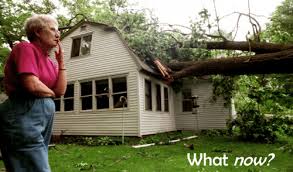
Imagine this scenario: a heavy storm rolls through your neighborhood, and the next morning you discover that a large tree from your property has fallen onto your neighbor’s house. It’s a homeowner’s worst nightmare, and the immediate question is: who’s responsible for the damage? In New York State, the answer depends on several factors, including the condition of the tree before it fell, the type of damage caused, and the insurance policies held by you and your neighbor.
This blog post will help you understand your responsibilities and insurance coverage in New York State when a tree from your property causes damage to a neighbor’s property.
Tree Ownership and Liability in New York State
In New York State, the responsibility for a fallen tree and the damage it causes typically depends on the health and condition of the tree before it fell. The general rule is that if a healthy tree falls due to natural causes, such as a storm or high winds, the property owner where the damage occurs is responsible for the repairs. This means if your healthy tree falls onto your neighbor’s property during a storm, your neighbor’s homeowner’s insurance would typically cover the damage.
However, if the tree was dead, diseased, or otherwise compromised and you knew or should have known about its condition, you could be held liable for any damages it causes. In this case, your neighbor might pursue a claim against you for negligence, and your homeowner’s insurance could be responsible for covering the damage.
What Does Homeowner’s Insurance Cover?
In New York State, a standard homeowner’s insurance policy typically covers damage caused by falling trees under certain conditions:
-
Damage to Your Own Property: If a tree on your property falls and damages your house or other structures like a garage or fence, your homeowner’s insurance would usually cover the cost of repairs, minus your deductible.
-
Damage to Neighbor’s Property: If your healthy tree falls onto your neighbor’s property due to a natural event, your neighbor’s insurance would generally cover the repairs. However, if the tree was in poor condition and you were aware of it, your insurance might have to cover the damage.
-
Tree Removal: Insurance policies often cover the cost of removing a fallen tree if it causes damage to a covered structure. If the tree falls but does not cause any damage, the cost of removal may not be covered unless it blocks a driveway or a ramp for disabled persons.
What Should You Do if Your Tree Falls on Your Neighbor’s Property?
-
Document the Damage: Take photos and videos of the fallen tree and the damage it caused. This will be useful when filing an insurance claim.
-
Contact Your Insurance Company: Notify your insurance company as soon as possible. They will help determine if the damage is covered under your policy and guide you through the claims process.
-
Work with Your Neighbor: Open communication with your neighbor is essential. Discuss the situation calmly and cooperatively to avoid disputes. Your neighbor will also need to contact their insurance company to determine coverage for the damages on their property.
-
Prevent Future Incidents: Regularly inspect and maintain the trees on your property. Remove dead or diseased trees to reduce the risk of them falling and causing damage. It’s also wise to document any maintenance you perform on your trees to protect yourself from liability.
Legal Considerations in New York State
In some cases, disputes over fallen trees can lead to legal action. If your neighbor believes you were negligent in maintaining a tree that caused damage to their property, they may file a lawsuit. New York courts generally look at whether the property owner knew or should have known about the hazardous condition of the tree and whether they took reasonable steps to address it.
Conclusion
Dealing with a fallen tree that causes damage to a neighbor’s property can be stressful, but understanding your responsibilities and insurance coverage can help you navigate the situation more smoothly. In New York State, whether you’re liable often depends on the tree’s condition before it fell. To protect yourself, ensure your trees are regularly maintained and be prepared to work with your insurance company and your neighbor if an unfortunate event occurs.
By staying informed and proactive, you can minimize your risk and ensure that you’re prepared should a tree from your property cause damage to your neighbor’s property.


